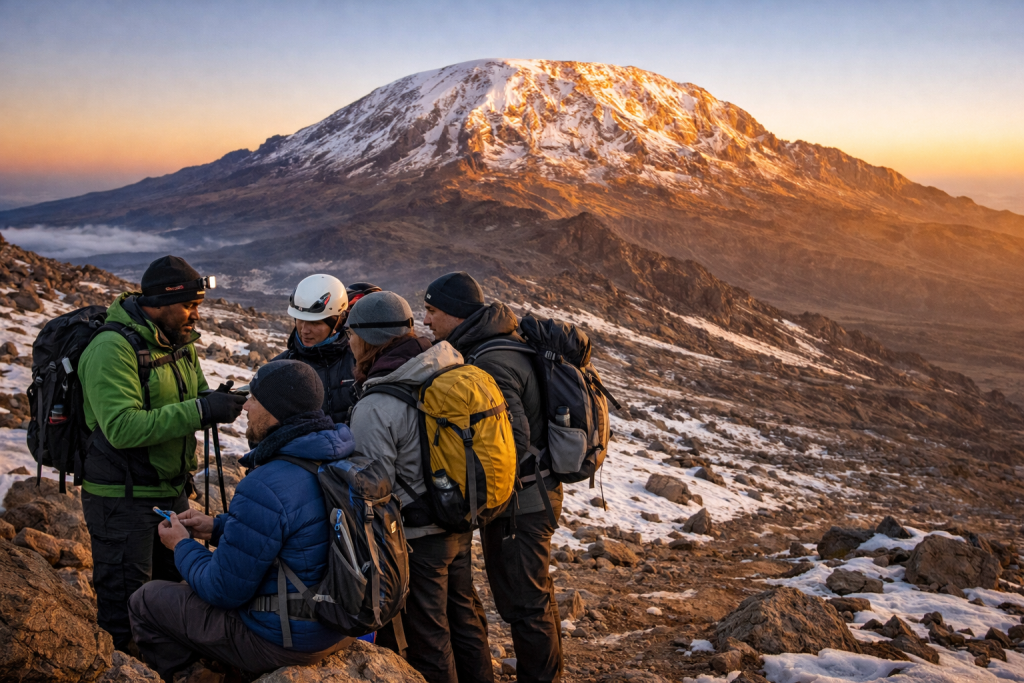
Each year, 30,000–40,000 climbers attempt Mount Kilimanjaro. With hundreds of operators competing for bookings, choosing the right one can determine whether your climb is empowering and successful — or rushed and risky.
This guide compares the top Kilimanjaro tour operators in 2026 using clear evaluation criteria so you can make a confident, informed decision.
Who This Guide Is For
This comparison is designed for:
- First-time Kilimanjaro climbers
- Solo travelers researching reputable operators
- Safety-focused adventurers
- Travelers comparing premium vs budget options
- Climbers prioritizing summit success over price
If you’re searching for the best Kilimanjaro tour company in 2026, this breakdown will help you filter through marketing noise and focus on structure.
How We Evaluated the Top Kilimanjaro Tour Operators in 2026
Operators were compared based on:
- Safety infrastructure
- Itinerary length and acclimatization design
- Group size limits
- Ethical verification (KPAP membership)
- Medical monitoring protocols
- Transparency in pricing and inclusions
- Summit success philosophy
These structural factors — not slogans — separate top-tier companies from average providers.
1. Safety Infrastructure
Altitude is the primary risk on Kilimanjaro. The top operators invest heavily in prevention and monitoring.
Look for:
- Emergency oxygen carried on every climb
- Twice-daily pulse oximeter readings
- Wilderness First Responder (WFR) certified guides
- Satellite communication systems
- Clear evacuation procedures
For a detailed breakdown of safety standards:
Kilimanjaro Safety Guide → https://climbkili.com/climb-kilimanjaro-safely
2. Itinerary Length & Acclimatization Strategy
7–8 day routes consistently outperform 5–6 day climbs in summit success.
Top operators:
- Avoid rushed itineraries
- Use strategic high camps such as Kosovo Camp
- Emphasize gradual ascent
- Design conservative summit pushes
Route breakdowns:
3. Group Size Policy
Smaller groups allow for closer health monitoring and better pacing control.
| Group Size | Experience Impact |
|---|---|
| 10–15 climbers | Reduced individual attention |
| 6 climbers or fewer | Higher guide ratio, stronger oversight |
Premium operators cap groups at six climbers.
4. Ethical Standards (KPAP Membership)
KPAP verification ensures porter welfare is independently monitored.
KPAP operators:
- Enforce load limits
- Provide fair wages
- Maintain proper shelter and meals
- Operate under external accountability
Learn more:
KPAP vs Non-KPAP Guide
5. Transparent Pricing & Booking Structure
Extremely low pricing often correlates with:
- Shorter itineraries
- Reduced safety equipment
- Limited porter support
- Basic infrastructure
📊 2026 Operator Comparison Snapshot
| Criteria | Budget Operator | Top 2026 Operator |
| Duration | 5–6 days | 7–8 days |
| Group Size | 10–15 climbers | 6 max |
| Oxygen | Limited | Included |
| Health Checks | Minimal | Twice daily |
| KPAP | Not guaranteed | Verified |
| Acclimatization | Basic | Strategic |
🚩 Red Flags When Comparing Operators
Be cautious if you see:
- 5–6 day “fast summit” itineraries
- No mention of emergency oxygen
- No KPAP affiliation
- Large group caps
- Vague summit statistics
- Dramatically lower pricing without explanation
Transparency is a hallmark of top Kilimanjaro tour operators.
What Is the Average Summit Success Rate in 2026?
Industry patterns suggest:
- 7–8 day routes → 85–95% success rate
- 5–6 day routes → significantly lower
- Smaller groups outperform large groups
Summit success correlates with acclimatization and monitoring — not marketing claims.
Step-by-Step: How to Choose the Right Operator
- Decide your preferred route (Lemosho or Machame).
- Choose a 7–8 day itinerary minimum.
- Compare safety infrastructure.
- Verify KPAP membership.
- Review group size caps.
- Confirm oxygen and medical monitoring.
- Evaluate responsiveness and transparency.
Many climbers who compare multiple operators ultimately prioritize safety, small groups, and ethical structure over price alone.
Why Many Climbers Choose Climb Kili in 2026
Climb Kili is structured around:
- Maximum 6 climbers per group
- 7–8 day itineraries only
- Strategic high-camp acclimatization
- Twice-daily medical checks
- Emergency oxygen included
- KPAP-verified porter treatment
- U.S. and Tanzania-based support teams
Summit success is never pursued at the expense of safety.
Choosing among the top Kilimanjaro tour operators in 2026 requires focusing on infrastructure, not promises.
Evaluate safety, acclimatization, ethics, and structure carefully.
Climb responsibly. Choose wisely. And partner with a team that treats your summit — and its crew — with respect.
Hi, this is a comment.
To get started with moderating, editing, and deleting comments, please visit the Comments screen in the dashboard.
Commenter avatars come from Gravatar.