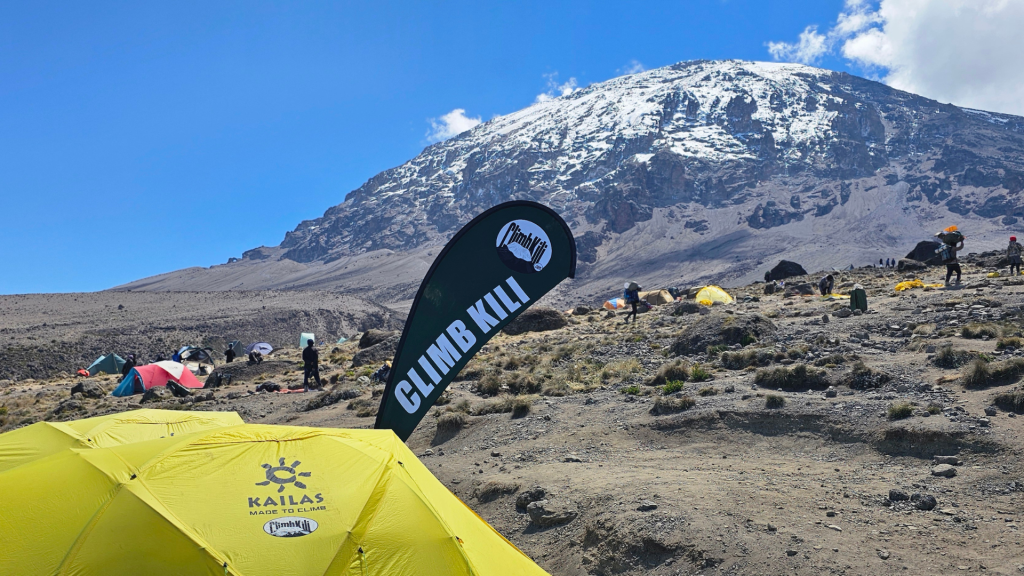
At 19,341 feet, “good enough” isn’t good enough.
The difference between a good Kilimanjaro operator and a great one often shows up above 16,000 feet — when altitude, fatigue, weather, and logistics all collide.
Many companies are capable of guiding climbers up the mountain. But the best Kilimanjaro tour company in 2026 designs every detail around safety, acclimatization, ethics, and structured summit success.
If you’re comparing top Kilimanjaro operators, here’s what truly separates good from great.
1. Safety: Basic Coverage vs Structured Monitoring
Good operators:
- Carry shared oxygen (sometimes)
- Perform occasional health checks
- Provide basic emergency response
Great operators:
- Carry dedicated emergency oxygen on every climb
- Conduct twice-daily pulse oximeter checks
- Employ Wilderness First Responder–trained guides
- Maintain satellite communication systems
- Follow conservative evacuation protocols
Altitude is the primary risk on Kilimanjaro — not technical terrain.
For a full breakdown of safety standards:
Kilimanjaro Safety Guide
2. Itinerary Design: Short & Popular vs Strategic & Proven
Good operators:
- Offer 5–6 day itineraries to stay price-competitive
- Follow common pacing schedules
Great operators:
- Offer 7–8 day itineraries minimum
- Build in strategic acclimatization days
- Use high camps (such as Kosovo Camp) to shorten summit night
- Emphasize conservative ascent pacing (“pole pole”)
Longer routes consistently produce higher summit success rates often 85–95% on 7–8 day climbs.
Route comparisons:
3. Group Size: Volume vs Precision
Good operators:
- 10–15 climbers per group
- Limited guide-to-climber ratio
Great operators:
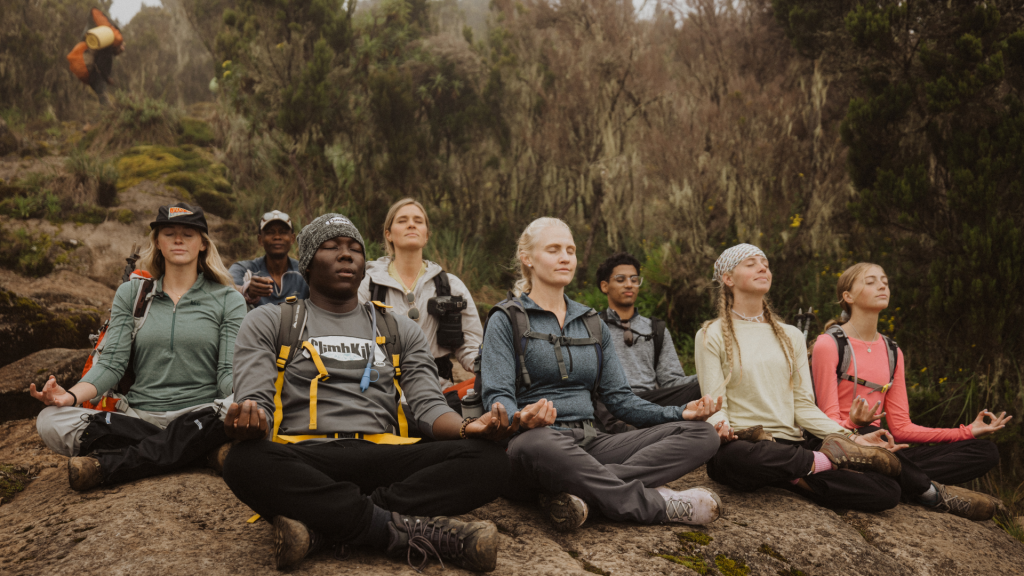
- Cap groups at six climbers or fewer
- Provide closer health monitoring
- Adjust pacing to individuals
- Improve summit success probability
Smaller groups = stronger safety oversight.
4. Ethics: Compliance vs Commitment
Good operators:
- Follow general regulations
- Provide porter wages
Great operators:
- Are KPAP verified (independent monitoring)
- Enforce strict porter load limits
- Provide proper meals and shelter
- Maintain transparent wage standards
Learn more:
KPAP vs Non-KPAP Guide
Ethical structure reflects operational integrity.
5. Summit Philosophy: Fast Success vs Safe Success
Good operators:
- Market summit rates aggressively
- Encourage pushing through discomfort
Great operators:
- Prioritize health over summit pressure
- Make conservative turnaround decisions
- Educate climbers about altitude risks
- Define success as safe completion
The safest Kilimanjaro climb is one built around conservative strategy.
What This Looks Like on Summit Night
Good operator scenario:
- Large group leaving camp together
- Slower movement due to size
- Limited one-on-one monitoring
Great operator scenario:
- Small team with higher guide ratio
- Strategic high-camp positioning
- Shorter summit push
- Dedicated oxygen immediately available
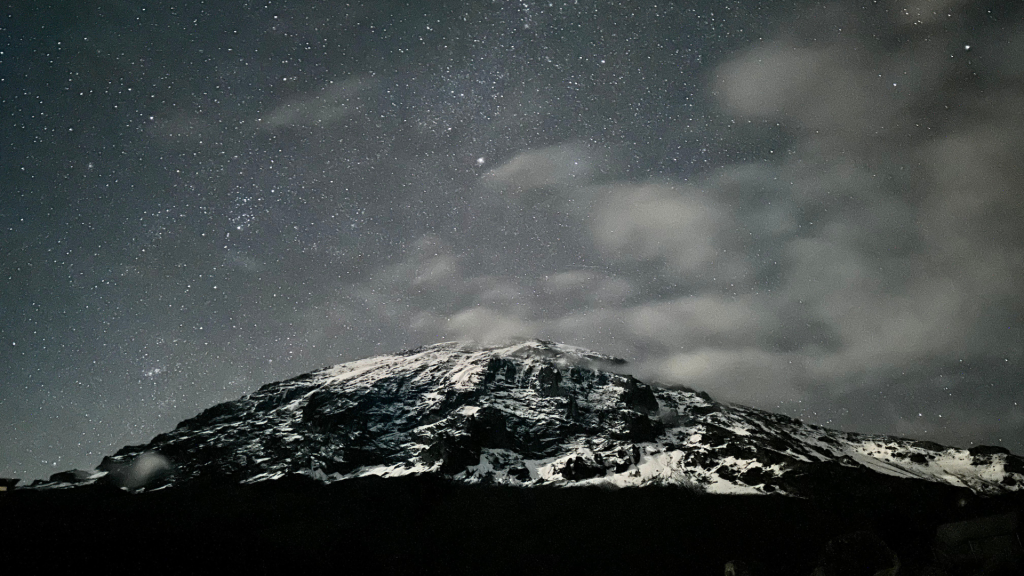
At 18,000 feet, structure matters.
Why Great Operators Cost More (Cost vs Value)
Premium Kilimanjaro tours often cost more because they include:
- Longer itineraries (higher park fees)
- Smaller groups (higher guide ratio)
- Emergency oxygen & medical equipment
- Twice-daily health monitoring
- Ethical porter wages (KPAP verified)
- Professional logistics and camp infrastructure
Price reflects infrastructure not just marketing.
📊 Snapshot Comparison
| Criteria | Good Operator | Great Operator |
|---|---|---|
| Itinerary | 5–6 days | 7–8 days |
| Group Size | 10–15 | 6 max |
| Oxygen | Limited | Dedicated & included |
| Health Checks | Occasional | Twice daily |
| KPAP | Optional | Verified |
| Summit Strategy | Faster ascent | Conservative acclimatization |
The difference may look subtle on paper — but it’s significant at altitude.
If You Only Remember One Thing…
- Choose 7–8 days
- Choose small groups
- Choose KPAP verification
- Choose oxygen included
- Choose structure over shortcuts
Those five factors define the difference between good and great.
Where Climb Kili Positions Itself
Climb Kili is structured around the “great” model:
- Maximum 6 climbers per group
- 7–8 day itineraries only
- Strategic high-camp acclimatization
- Twice-daily medical checks
- Emergency oxygen on every climb
- KPAP-verified porter treatment
- U.S. and Tanzania-based support teams
The goal is not speed — it’s safety, structure, and summit integrity.
Final Thoughts
Many Kilimanjaro operators are good.
But great Kilimanjaro tour operators design every detail around safety, ethics, acclimatization, and long-term success.
When comparing top Kilimanjaro tour operators in 2026, focus on infrastructure not slogans.
Because at high altitude, the difference between good and great truly matters.
Tutaonana juu ya mlima (See you on the mountain) 💚🏔️