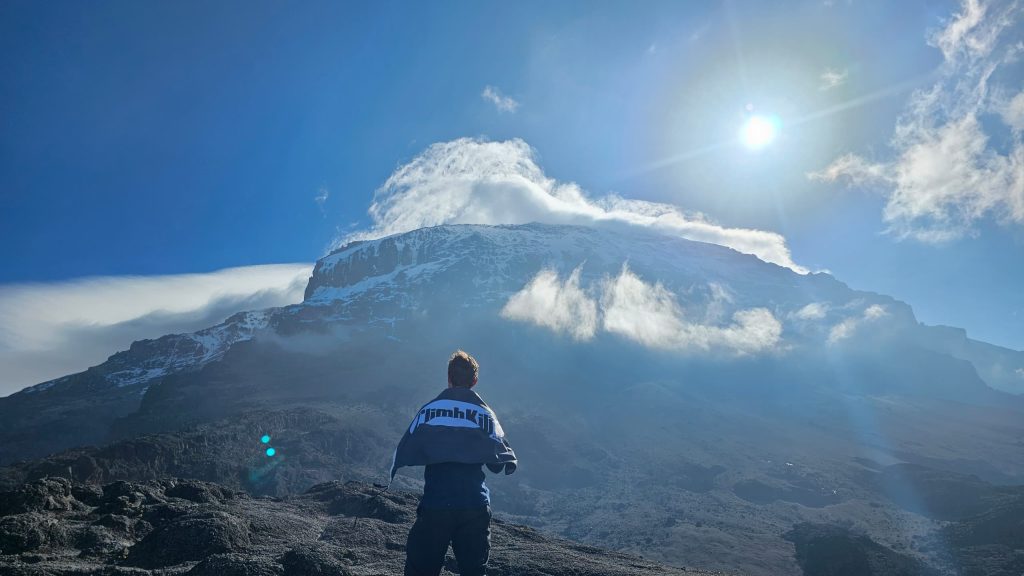
One of the most common questions climbers ask is:
“Why does climbing Kilimanjaro cost so much?”
Prices in 2026 typically range from $2,500 to $4,500+ per person, depending on route length, group size, safety standards, and operator structure.
But what are you actually paying for?
This guide breaks down Kilimanjaro tour operator pricing so you can understand where your money goes — and how to compare companies wisely.
1. National Park Fees (The Largest Fixed Cost)
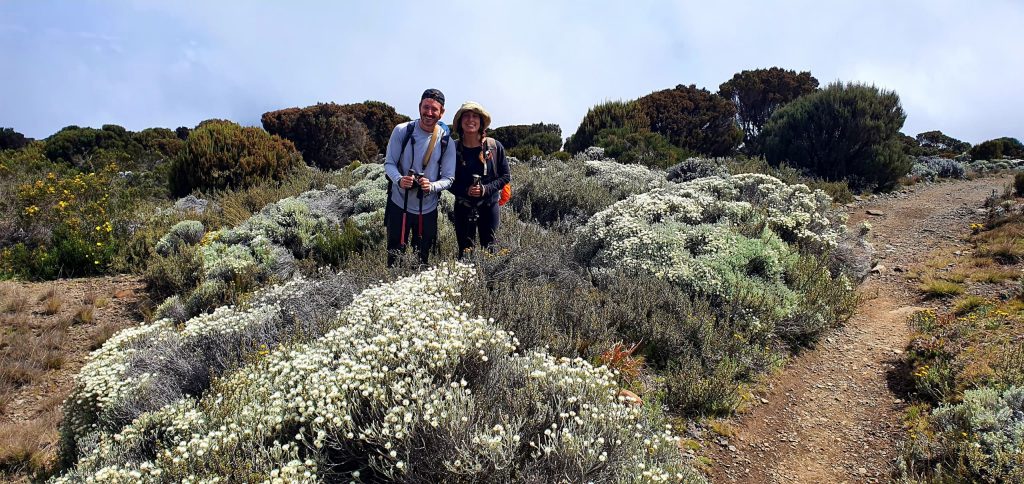
A significant portion of your tour price goes directly to Kilimanjaro National Park.
Park fees include:
- Conservation fees
- Camping or hut fees
- Rescue fees
- Crew entry fees
For a 7–8 day climb, park fees alone can exceed $800–$1,000 per climber.
These fees are non-negotiable and identical across operators.
2. Guide & Porter Wages
Every Kilimanjaro climb requires a full mountain team:
- Lead guides
- Assistant guides
- Porters
- Cooks
- Camp crew
Ethical operators (KPAP verified) ensure:
- Fair wages
- Enforced porter load limits
- Proper meals and shelter
Lower-priced operators may reduce costs through:
- Larger group sizes
- Lower porter pay
- Reduced staff ratios
Ethics directly influence pricing.
3. Itinerary Length (More Days = Higher Cost, Higher Success)
Shorter 5–6 day itineraries cost less primarily because:
- Fewer park days
- Fewer crew wages
- Reduced food and logistics
However, 7–8 day itineraries significantly improve acclimatization and summit success.
Longer routes like:
- Kilimanjaro Lemosho Route Guide – Why the 8-day Lemosho route offers superior acclimatization:
- Kilimanjaro Machame Route Guide – A closer look at the 7-day Machame route profile
Sample Itirenary
provide better altitude adjustment and safer summit outcomes.
4. Safety Infrastructure
Top Kilimanjaro tour operators include:
- Emergency oxygen on every climb
- Twice-daily pulse oximeter checks
- Wilderness First Responder–trained guides
- Satellite communication systems
This equipment and training add cost but dramatically increase safety.
Learn more about medical standards here:
Kilimanjaro Safety Guide
5. Group Size Structure
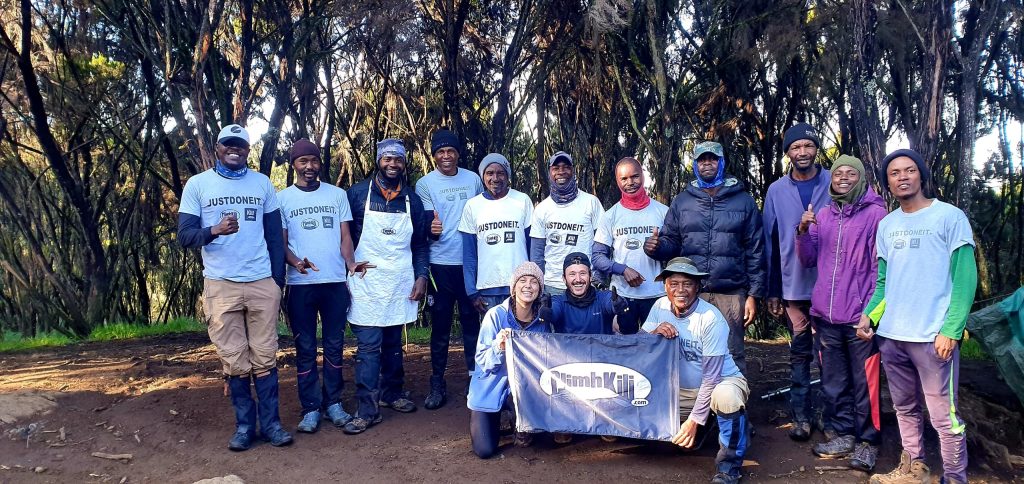
Group size impacts both cost and experience.
| Group Size | Pricing Impact | Experience Impact |
|---|---|---|
| 10–15 climbers | Lower per-person cost | Less individual monitoring |
| 6 climbers max | Higher cost | Better pacing & safety |
Smaller groups require more staff per climber — increasing cost but improving oversight.
6. Equipment & Camp Quality
Premium operators invest in:
- High-quality four-season tents
- Dining tents with tables and chairs
- Comfortable sleeping mats
- Clean camp organization
- Professional food preparation
Basic operators may reduce quality to reduce pricing.
Camp structure directly affects comfort and morale.
7. Hidden Costs to Watch For
When comparing Kilimanjaro tour operator pricing, ask what is included.
Common exclusions:
- Airport transfers
- Hotel nights
- Rescue fees
- Gear rentals
- Tips (crew tipping is separate)
Budget vs Premium Kilimanjaro Pricing Snapshot
| Feature | Budget Tour | Premium Tour |
| Duration | 5–6 days | 7–8 days |
| Oxygen | Limited | Included |
| Health Checks | Minimal | Twice daily |
| Group Size | 10–15 | 6 max |
| KPAP | Not guaranteed | Verified |
| Camp Quality | Basic | Professional setup |
The price difference reflects infrastructure not just marketing.
What Is the Average Kilimanjaro Cost in 2026?
In 2026, realistic pricing ranges:
- Budget climbs: $2,200–$2,800
- Mid-range climbs: $2,800–$3,500
- Premium small-group climbs: $3,500–$4,500+
Extremely low pricing should raise questions about itinerary length, safety, and porter welfare.
Why Many Climbers Choose Quality Over Price
Climbing Kilimanjaro is often a once-in-a-lifetime goal.
Many climbers prioritize:
- Longer itineraries
- Small group structure
- Ethical standards
- Medical monitoring
- Transparent communication
These elements increase cost but also increase summit success and safety.
Where Climb Kili Fits in 2026 Pricing
Climb Kili operates within the premium small-group category, structured around:
- Maximum 6 climbers per group
- 7–8 day itineraries only
- Strategic high-camp acclimatization
- Twice-daily medical checks
- Emergency oxygen on every climb
- KPAP-verified porter treatment
- U.S. and Tanzania-based support teams
Pricing reflects structure not shortcuts.
Questions to Ask Before Booking
Before choosing a tour operator, ask:
- How many days is the itinerary?
- Is emergency oxygen included?
- What is the maximum group size?
- Are you KPAP verified?
- Are park fees fully included?
- What is the summit success rate for this itinerary length?
These questions reveal the difference between marketing and infrastructure.
Final Thoughts
The real question isn’t “What is the cheapest Kilimanjaro tour?”
It’s “Which company gives me the highest probability of a safe, successful summit?”
Kilimanjaro tour operator pricing reflects structure not shortcuts.
When evaluating the average Kilimanjaro tour price in 2026, look beyond numbers. Examine safety systems, itinerary design, ethics, and support structure.
Because on Africa’s highest peak, preparation and structure matter far more than price alone.
Tutaonana juu ya mlima (See you on the mountain) 💚🏔️